Veneers for crooked teeth: when they work and when to align first
Veneers can make mildly crooked teeth look straight by covering the front surface with a new, even shape. They work well for small rotations, minor overlaps, and uneven edges. For crowding, big bite issues, or heavily turned teeth, aligning first gives a better result. Here is where the line falls.
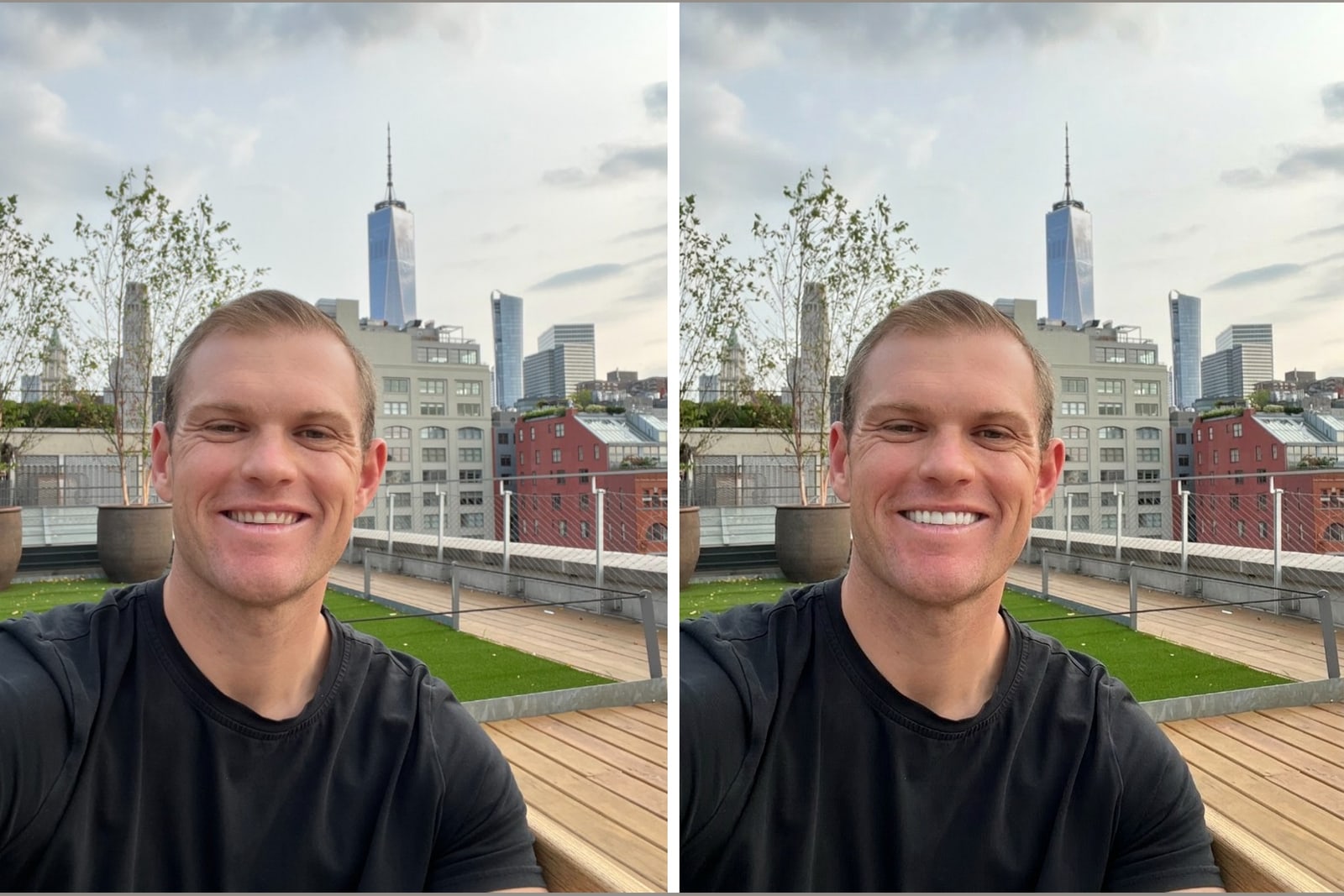
Key takeaways
- Veneers hide mild crookedness by changing the shape of the front surface, not the position of the tooth.
- Small rotations, minor overlaps, and uneven edges are good candidates for a veneer style like Refined Enhancement.
- Severe crowding, large gaps, and bite problems are better fixed with alignment first, then veneers if you still want them.
- A preview on your own photo shows the straightened look before you talk to a dentist about what is safe.
Veneerly is an aesthetic preview tool. It is not dental or medical advice and it is not a substitute for a consultation with a licensed dentist.
How do veneers make crooked teeth look straight?
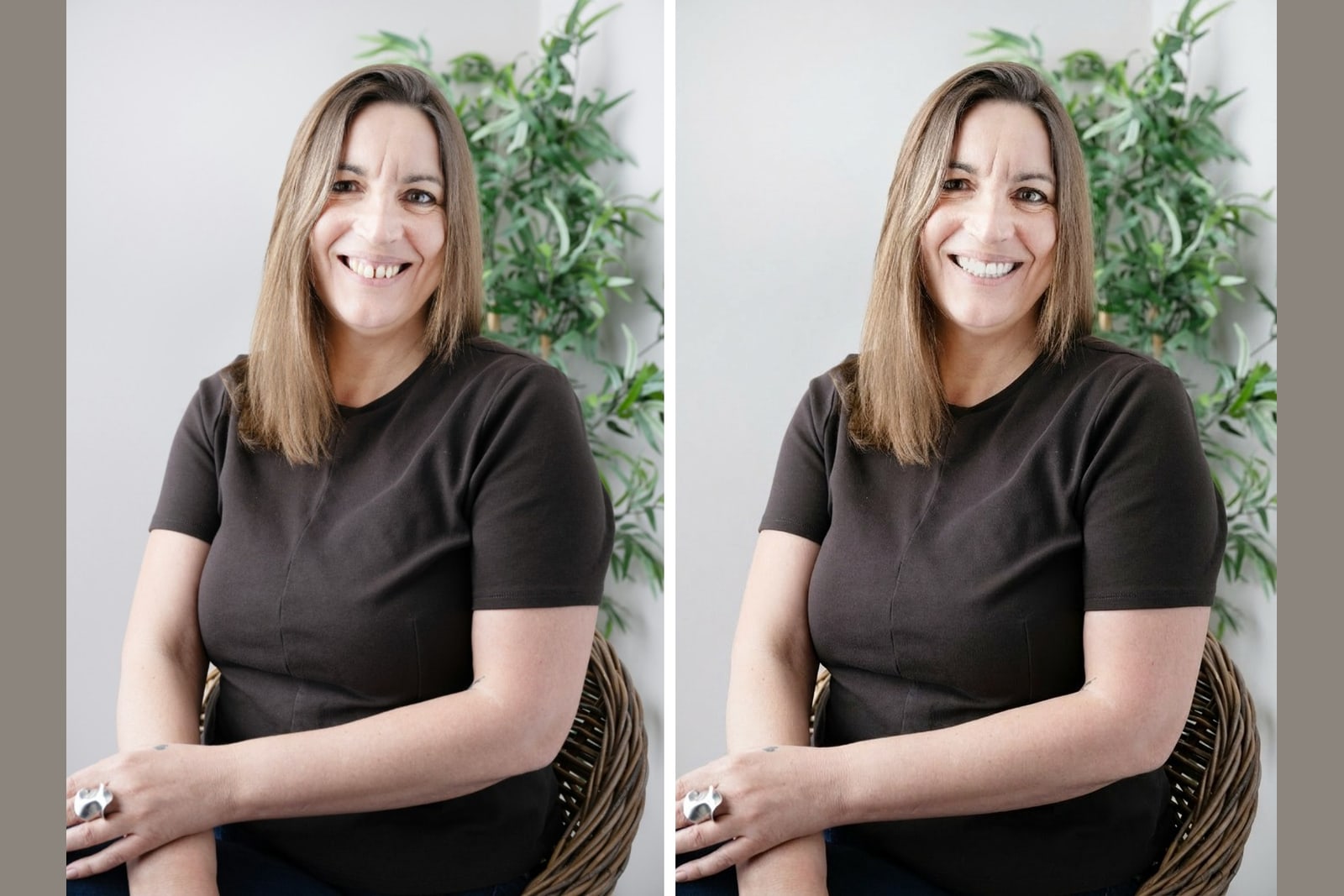
Veneers make crooked teeth look straight by covering the front of each tooth with a thin shell shaped to sit in an even line. The tooth behind stays where it is. The veneer builds out the parts that sit back and follows the edge you want, so the visible surface reads as straight even though the root has not moved. This is why veneers can deliver a straight looking smile in two visits instead of months, but it also sets the limit: they change appearance, not position.
Which kinds of crooked teeth do veneers fix well?
Veneers work best on mild cosmetic crookedness where the teeth are close to their final position already. When only a small amount of surface needs reshaping, the dentist can build an even line without removing too much tooth or making the veneer bulky.
- Minor rotations where a tooth is turned a few degrees.
- Small overlaps where one front tooth sits slightly ahead of its neighbor.
- Uneven edges from wear or teeth that came in at different lengths.
- One or two teeth out of line in an otherwise even smile.
- Small gaps alongside mild crookedness that can close and even in one plan.
A style like Refined Enhancement is built for exactly this: it aligns and evens the front teeth and improves proportions while still reading as real. In Veneerly you can render that straightened look on a photo of your own smile in about 60 seconds.
When are teeth too crooked for veneers?
Teeth are too crooked for veneers when correcting the look would mean grinding away healthy tooth or leaving the veneer too thick to look right. The more a tooth sits out of line, the more surface has to be reduced or added, and both have limits.
| Situation | Veneers alone | Better path |
|---|---|---|
| One tooth turned a few degrees | Works well | Veneer reshaping |
| Mild overlap of front teeth | Works well | Veneer reshaping |
| Moderate crowding | Bulky or heavy prep | Align first, veneer if wanted |
| Heavily rotated teeth | Not recommended | Align first |
| Bite problems or jaw misalignment | Not recommended | Orthodontic assessment |
For crowding, a strong overbite or underbite, or teeth turned far out of line, veneers alone force a bad trade. You either remove too much enamel or accept a veneer that looks thick and unnatural. In those cases alignment first protects your teeth and gives the veneer a flat, even base to sit on.
Should I straighten first or get veneers?
Straighten first when the crookedness is more than mild, because moving the teeth into line means the veneer removes less enamel and lasts better. Many people finish alignment and find the result is straight enough that they only want a shade change or a light veneer plan afterward. If the crookedness is small and purely cosmetic, veneers on their own can be the shorter route. Our guide on veneers vs braces for crooked or gapped teeth walks through the trade in time, cost, and permanence.
The case for aligning first
Alignment moves the actual tooth, so nothing healthy has to be ground down to fake a straight line. It is the more conservative choice for moderate to severe cases, and it keeps the option of no veneers at all if you like the result.
The case for veneers now
Veneers give a straight looking, whiter smile in a short timeline and also fix color, shape, and small chips in the same step. For mild crookedness where the teeth are already close to position, that combined result is hard to match with alignment alone.
How do I know which side of the line I am on?
Only a dentist can confirm how much enamel is safe to remove and whether your bite allows veneers, so candidacy is a clinical call. What you can do first is see the straightened look on your own face. Veneerly puts ten designs across five styles onto your own photo, with six shades from Natural Ivory (A1) to Ultra White (BL1), and only the teeth change. It is a one time payment from 39 dollars and takes about 60 seconds. That preview gives you a clear picture to bring to a consult. Read are you a candidate for veneers? for the full checklist of what dentists look for.
Frequently asked questions
Can veneers fix crooked teeth without braces?
Yes, for mild cosmetic crookedness. Veneers cover the front of the teeth with an even shape, so small rotations and overlaps look straight without moving the teeth. For moderate or severe crowding, alignment first is the safer path.
How crooked is too crooked for veneers?
When correcting the look would mean removing too much healthy enamel or leaving a bulky, unnatural veneer, the teeth are too crooked for veneers alone. Heavily rotated teeth, moderate to severe crowding, and bite problems fall on that side. A dentist confirms the limit for your teeth.
Is it better to get braces or veneers for crooked teeth?
Braces or clear aligners move the actual teeth and are more conservative for moderate crookedness. Veneers are faster and also change color and shape, which suits mild cases. Many people align first, then decide if they still want veneers for the final look.
Will veneers on crooked teeth look natural?
For mild crookedness, yes. When the teeth are close to their final position, the veneer only reshapes the surface a little and reads as a natural, even smile. The more a tooth is out of line, the harder it is to keep the result looking natural.
Can I see how veneers would look on my crooked teeth?
Yes. Veneerly renders ten designs across five styles onto a photo of your own smile in about 60 seconds, so you can see the straightened look on your real teeth before you talk to a dentist.
See your teeth looking straight before you decide
Upload one photo and preview ten designs across five styles in about 60 seconds, from 39 dollars.
Preview my smile